

Afro House Ghost Production: The Sound, The Market, and How to Buy Right
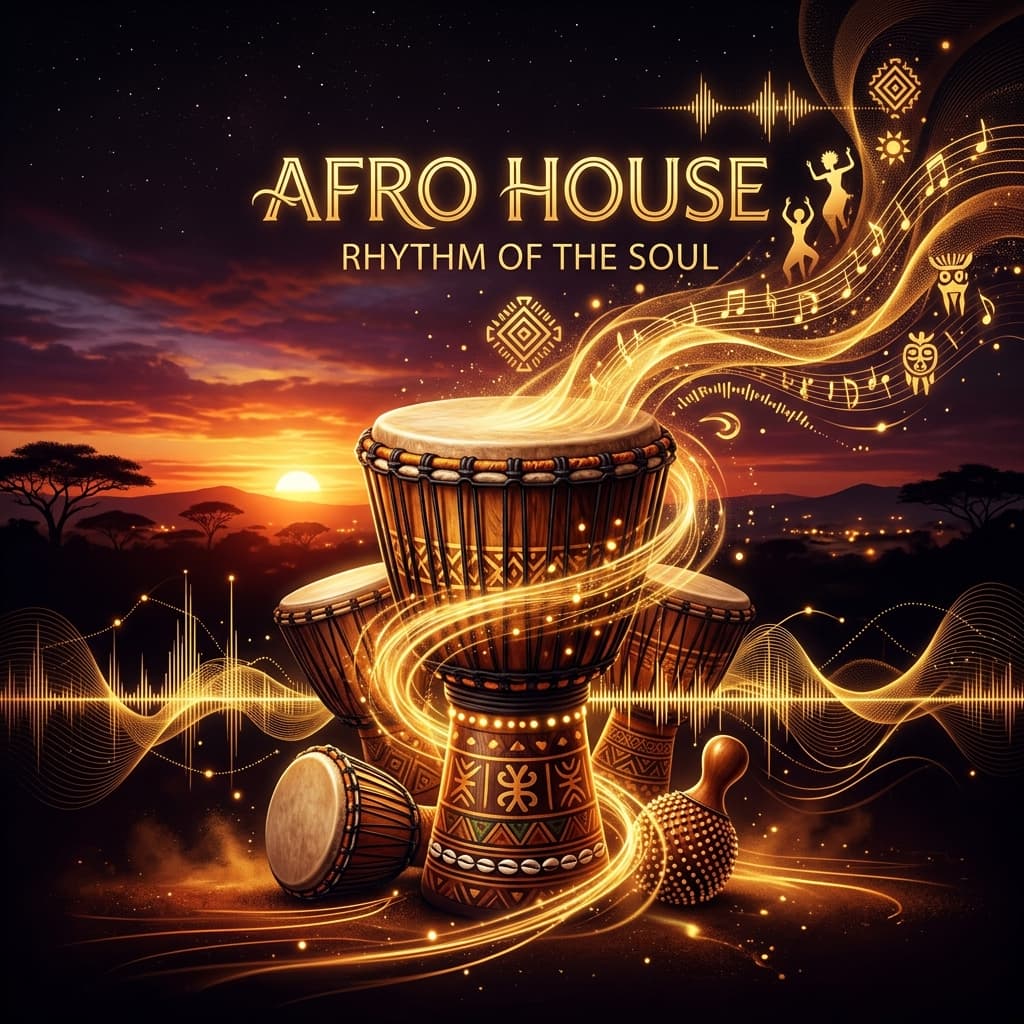
Why Afro House Is One of the Most Demanding Genres to Ghost Produce
Afro House is not a genre you can approximate. It has a specific rhythmic vocabulary, a particular relationship between percussion and groove, and a harmonic and melodic character rooted in African musical traditions. A producer who does not understand this at a deep level will produce something that sounds 'inspired by' Afro House rather than genuinely representative of it.
This is important for buyers: when purchasing an Afro House ghost production, the cultural and musical authenticity of the production is as important as the technical quality of the mix.
The Sound of Afro House in 2026
The genre has expanded considerably from its early Black Coffee and Enoo Napa era. Current Afro House in 2026 sits across several sub-styles:
- Deep Afro House — slow groove, spiritual texture, sparse percussion.
- Organic Afro House — heavy use of live instruments, acoustic percussion, field recordings.
- Afro Tech — faster, more club-functional, heavier kick presence, closer to Afro Techno.
- Soulful Afro House — vocal-led, gospel and R&B influence, more accessible harmonic content.
Key Sonic Characteristics to Evaluate
Percussion: The Foundation of Everything
In Afro House, the percussion is not decorative — it is structural. The shaker, clave, cowbell, and hand drum patterns must have internal logic and groove intelligence. They should feel like they belong together, not like they were layered randomly. A strong Afro House ghost production will have percussion that makes you move before the kick even enters.
Bass: Warm and Round, Not Punchy
Afro House bass sits differently from Tech House bass. It is rounder, warmer, and more melodic. It should complement the kick rather than compete with it. Listen for whether the bassline has a melodic identity or whether it simply pulses on a root note — the former is characteristic of good Afro House, the latter is generic.
Harmonic and Melodic Content
Afro House uses minor pentatonic scales, modal harmonics, and often draws on traditional African melodic motifs. Strings, kalimba, kora-like plucked instruments, and keys with a warm, slightly dusty character are common. The melodies should feel like they have been played, not programmed. Listen for humanity in the phrasing.
Vocals
Many Afro House productions include vocal chops, spoken word elements, or full vocal performances. If a ghost production includes a vocal, confirm the vocal sample clearance is included in the rights transfer. SoundHaus includes full rights documentation with every purchase — if a vocal is part of the track, the rights are covered.
Matching an Afro House Production to Your Label Target
Afro House has a strong and well-defined label ecosystem. Platforms like Traxsource — the dominant Afro House sales platform — have genre-specific charts that are closely watched by labels and A&R teams. If your goal is a Traxsource chart position, prioritise tracks that sit in the Deep or Organic Afro House space, which perform strongest on that platform.
For festival-facing releases — Sónar, ADE, Boiler Room-style bookings — Afro Tech and heavier Afro House productions are more appropriate. Know where you are trying to go before you buy.
The Market Opportunity in Afro House
Afro House is one of the fastest-growing genres in electronic music globally. It is disproportionately strong in South Africa, Portugal, Brazil, and in major European club markets. Artists releasing in this genre have access to a deeply engaged, growing audience that is underserved by mainstream EDM platforms.
This growth makes Afro House ghost productions particularly valuable right now. A track released in 2026 enters a market that is still expanding, with less saturation than Tech House or Commercial House.